
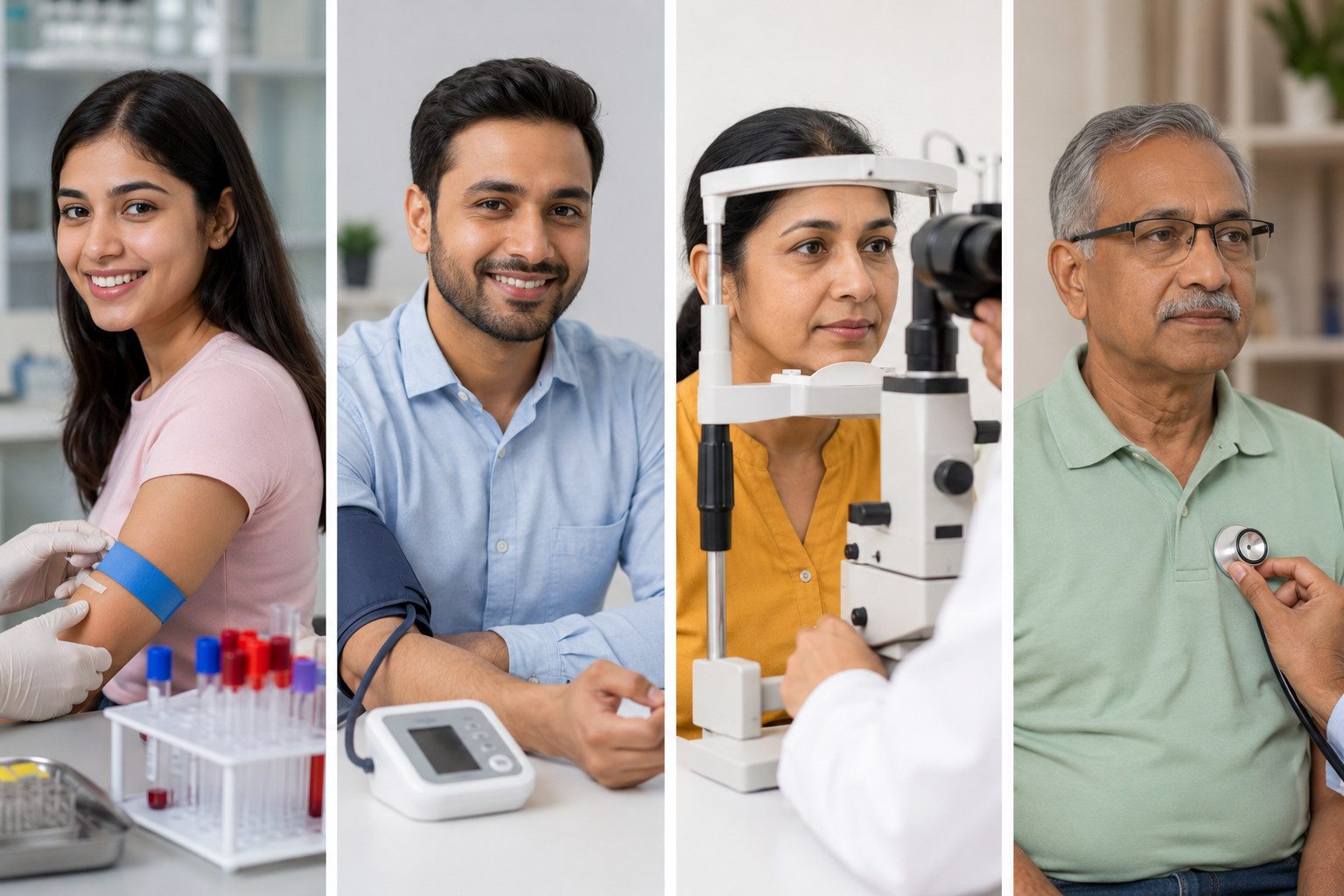
Preventive Health Checkups by Age: What Tests Should You Get in Your 20s, 30s, 40s and Beyond?
Preventive Health Checkups by Age: What Tests Should You Get in Your 20s, 30s, 40s and Beyond?
It's all too common to book an appointment for a strange discomfort that doesn't disappear or when a bad flu makes us fall out of our shoes. However, true wellness involves taking precautions before you become unwell. Making an appointment for a routine preventive health checkup is among the best things you can offer your future self. It will allow you to identify subtle shifts within your body before they develop into major issues.
When we get older, and our bodies change, so do the risks that we face from medical conditions. The health screening tests which are appropriate during your twenties are quite different from the tests that you will need by your 50s. Here's a concrete 10-decade-by-decade overview of how your typical medical checkup ought to appear.
1. Your 20s: Base-Level Health Screening Tests
In the 20s, it's normal to believe that you are as if you're invincible. This is, however, the perfect time to establish a baseline of your health, as well as establish a rapport with a doctor, and identify the underlying risks earlier.
The regular preventive health checkup throughout the years must be focused on:
- The basics: Keeping tabs on your blood pressure as well as the body mass index (BMI).
- Blood Panels: Checks at the baseline for blood sugar, cholesterol, and levels of iron.
- Reproductive Health: Women need to begin routine exams for Pap Smears around 21 years old to check for cervical cancer. The general STI exams are advised for those who are physically active.
- Vaccine boosters: Stay up to current on HPV, Tdap, as well as your annual flu shots.
2. Your 30s: Stress Tracking and Preventive Health Checkup Essentials
As you enter your 30s, the demands of your job along with family and everyday stress can get more intense. It is also the time when invisible issues such as elevated cholesterol or the beginning of metabolic changes may sneak in.
A comprehensive medical checkup during your 30s ought to be focused on:
- Heart Markers: A more detailed profile of lipids for monitoring cholesterol levels, particularly those with heart disease in your family.
- Blood Sugar Trends: Continuous fasting glucose levels or an HbA1c test to make sure that lifestyle or stress isn't creating the conditions for type 2 diabetes.
- The Skin: Keeping an eye out for the appearance of moles by conducting an annual professional skin exam to prevent skin cancer.
3. Your 40s: Levelling Up Your Routine Medical Checkup
Your 40s is a crucial phase of transition. The time when your physician is likely to recommend a shift from routine wellness screenings to specific screening for cancer and organ function.
The most important health screening tests in this decade comprise:
- Breast Health: Women are advised to talk with their physician about getting regular mammograms.
- Prostate Health: Males should engage in an honest dialogue regarding the benefits and disadvantages of beginning PSA (Prostate-Specific Antigen) blood tests.
- Eye and Heart Treatment: Monitoring of your cardiovascular well-being (like EKGs if risk factors are found) and the first screening for glaucoma at a baseline.
4. Your 50s and Beyond: Critical Health Screening Tests for Longevity
After you have reached the 50-year mark, screening becomes the most effective tool to maintain your active and independent life. It's all about preservation of strength and endurance, as well as finding issues in their early stage.
Your preventive health checkup priorities list for this should extend to:
- Colorectal Tests for screening: Tests based on stool or colonoscopies are reliable (often advised to begin at either 45 or 50).
- Bone Density: The Bone Density Test (DEXA) to detect osteoporosis. This is especially important for post-menopausal women.
- Sensory Health: Regular hearing and vision tests to maintain your health and well-being in top shape.
Find the Top Doctor Near Me for Your Care
These guidelines can be a great start; however, they are most effective when tailored for your specific family history along with your lifestyle, genes, and genetics. The best time to start taking responsibility for your well-being isn't "someday"--it's now.
If you're looking to make an appointment for your next preventive health checkup, do not wait for an occurrence to push you to go. Find a reputable top doctor near me for a highly-rated, caring primary care doctor right near you.
Make the first step towards an improved tomorrow. Visit this link to contact an Top Doctor Near Me and make an appointment for your health check-up now!