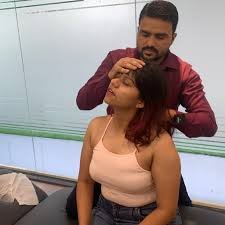
Physiotherapy in Gurgaon: Your Complete Guide to Care and Recovery
Gurgaon is the kind of city that doesn't really give you permission to slow down. Between the long workdays, the traffic, the weekend sports, and just the general business of keeping a life running — your body takes a lot. And for most people, it quietly absorbs that load until one day it doesn't. A back that locks up getting out of bed. A knee that's been "manageable" for months but somehow never gets better. A shoulder that's stiff every morning before you've even had coffee. When you reach that point, good physiotherapy in Gurgaon isn't something you think about later — you need it now.
There's a common misconception worth clearing up: physiotherapy isn't just for people who've had surgery or sports injuries. It's for anyone whose body is quietly holding them back from doing the things they want to do. And what separates a good physiotherapist from a decent one is that they don't just treat the area that's hurting — they dig into why it's hurting in the first place. That distinction matters more than most people realize.
This guide covers everything you'll actually want to know. Where to find clinics in Gurgaon, what physiotherapy can and can't treat, what your first appointment will actually look like, and how to tell whether you're walking into a genuinely good practice or just a well-located one.
Physiotherapy Near Me in Gurgaon: How to Find the Right Clinic
The moment something goes wrong with your body, the first thing most of us do is type Physiotherapy near me in Gurgaon and hope for a clear answer. The good news is that Gurgaon has a reasonably dense network of clinics across the city. The harder part — and the part this section is really about — is figuring out which one is actually right for you.
Where are physiotherapy clinics located in Gurgaon?
Clinics are distributed pretty widely across the city's main residential and commercial zones. Here's a general sense of where they tend to cluster:
- Sector 14, 15, and 17 — older, established neighborhoods with a solid variety of standalone physio centers that have been around long enough to have real reputations
- DLF Phase 1–5 — multi-specialty setups where physiotherapy often sits alongside orthopedic and sports medicine, which can be useful if your condition straddles both
- Sohna Road and South Gurgaon — newer facilities with more modern equipment and a fast-growing patient base
- Golf Course Road and Extension Road — popular with working professionals largely because many clinics here offer later evening slots
- Cyber City and Udyog Vihar — corporate wellness centers where physiotherapy is embedded into broader occupational health programs
Convenience matters, but it can't be the only filter. Before you commit to a clinic, take a few minutes to confirm that your physiotherapist is registered with the Indian Association of Physiotherapists (IAP), has meaningful experience treating your specific type of problem, and can clearly explain what treatment will involve before you even start.
Should you go to a standalone clinic or a hospital physiotherapy department?
Honestly, it depends entirely on your situation. Standalone clinics are usually quicker to get into, more personal, and built specifically around rehabilitation — there's nothing else competing for attention. Hospital-based departments make more sense when your care needs to be closely coordinated with a surgeon or specialist, like in the weeks after a joint replacement or spinal procedure. Think about what your recovery actually requires rather than defaulting to whatever's closest.
Physiotherapy Treatment in Gurgaon: What Conditions Can Be Treated?
Physiotherapy Treatment in Gurgaon has a far broader reach than most people give it credit for. Yes, it helps with back pain and sports injuries — but stopping there would undersell it significantly.
What do physiotherapists in Gurgaon treat?
Musculoskeletal conditions
- Lower back pain and sciatica
- Neck pain and cervical spondylosis
- Knee pain — whether it's arthritis, a ligament issue, or years of accumulated wear
- Shoulder problems, including frozen shoulder and rotator cuff tears
- Plantar fasciitis and other foot and heel issues
Neurological conditions
- Stroke rehabilitation
- Parkinson's disease management
- Multiple sclerosis
- Bell's palsy
Sports injuries
- Muscle strains and ligament sprains
- Tennis elbow and golfer's elbow
- ACL tears and meniscus injuries
- Stress fractures
Post-surgical rehabilitation
- Knee and hip replacement recovery
- Spinal surgery rehab
- Cardiac rehabilitation
- Recovery following fractures
Other conditions
- Vertigo and balance disorders (vestibular physiotherapy)
- Pelvic floor dysfunction
- Respiratory physiotherapy for conditions like COPD
- Pediatric physiotherapy for children with developmental needs
What does treatment actually involve?
A good physiotherapist doesn't have a single therapy they use on everyone. After a thorough assessment they determine modalities that your body uniquely needs. The kit normally contains:
- Manual therapy — hands-on joint mobilization and soft tissue work to free up restricted movement
- Therapeutic exercise — structured, progressive programs designed to rebuild genuine strength and flexibility, not just manage symptoms
- Electrotherapy — modalities like TENS, IFT, and ultrasound to manage pain and reduce inflammation
- Dry needling and acupuncture — targeting deep muscle tension and trigger points
- Heat and cold therapy — straightforward but effective for supporting tissue recovery
- Kinesio taping — joint support and movement retraining
- Hydrotherapy — water-based rehab that takes load off painful joints, useful for certain post-surgical conditions
The combination that works for you won't necessarily work for someone else. If a clinic appears to be running everyone through the same treatment regardless of their condition, that's worth paying attention to.
Physiotherapy Consultation in Gurgaon: What to Expect at Your First Visit
The reason many people put off booking is simple — they don't know what they're walking into. A Physiotherapy consultation in Gurgaon doesn't have to feel that way. Here's what a first appointment typically looks like.
What actually happens at your first session?
Set aside around 45 to 60 minutes. A thorough physiotherapist won't rush this part — they genuinely need a complete picture before they can do anything useful. You can expect them to:
- Take a full history — your symptoms, when they started, what makes things worse or better, your medical background, anything you've already tried
- Physically assess you — posture, range of motion, muscle strength, joint stability, neurological function where relevant
- Work out the root cause — what's actually causing your pain, not just where it's showing up
- Walk you through a treatment plan — the number of sessions they expect you'll need, the methods they'll use, and an honest timeline for recovery
- Often start treatment in the same session — many physiotherapists will begin hands-on work in the first appointment rather than just talking and sending you home
What does physiotherapy cost in Gurgaon?
Fees vary based on clinic location, the physiotherapist's experience, and the type of session. As a rough guide:
- Initial consultation: ₹500–₹1,500
- Follow-up sessions: ₹400–₹1,200 per session
- Home visits: ₹800–₹2,000 per session (the extra cost reflects travel)
If you know you'll need several sessions, ask about package pricing upfront — many clinics offer bundles that work out cheaper per visit.
Can a physiotherapist come to my home in Gurgaon?
Yes, and this option is more widely available than many people realize. Home visits work particularly well for patients recovering from surgery, older adults who find regular travel difficult, or anyone with significant mobility limitations. A registered physiotherapist comes to you and delivers most of the same treatment they would in a clinic, adjusted sensibly for your home setting.
Best Physiotherapy in Gurgaon: What Actually Sets Good Care Apart
Finding the Best Physiotherapy in Gurgaon isn't about finding the biggest clinic or the most impressive-looking reception area. It comes down to the person actually treating you — how they think clinically, how well they listen, and whether they're genuinely invested in your recovery.
What qualifications should a physiotherapist have?
The baseline is a Bachelor of Physiotherapy (BPT), which is a four-and-a-half-year undergraduate degree. Many experienced practitioners also hold a Master of Physiotherapy (MPT) with a specialization — orthopedics, neurology, sports, pediatrics — which tells you they've gone deeper into a specific field. Registration with the state physiotherapy council is a further indicator of professional commitment.
What does genuinely good physiotherapy actually feel like?
Most people sense it fairly early on. A few things to watch for:
- A plan built specifically around you — not a generic protocol, but something shaped by your condition, your lifestyle, and what you actually want to get back to doing
- Clear, plain-language explanations — they tell you what's wrong, why they're doing what they're doing, and what progress should look like week by week
- Ongoing reassessment — your treatment should evolve as you improve. If the same thing is being done in session twelve as was done in session one with no change, that's a concern
- Real education — a good physiotherapist teaches you enough about your body that you're not dependent on them indefinitely
- Coordination when it's needed — willingness to communicate with your doctor or surgeon if your case requires it
Word of mouth is still one of the most reliable ways to find someone worth trusting. Ask your GP, ask friends who've been through similar rehab. And when you're reading online reviews, look for ones that describe specific conditions and outcomes rather than just vague expressions of satisfaction.
Take the First Step Toward Recovery
Most people wait longer than they should. They modify their life around the problem — stop the activity that aggravates it, sleep differently, avoid certain chairs — and over time start to assume this is just the new normal. For the vast majority of people who eventually do see a physiotherapist, that assumption turns out to be wrong.
Real, lasting recovery is achievable for most of the conditions that bring people through a physio clinic's door. Not just symptom management — actual improvement that holds. Gurgaon has the practitioners and the facilities to make that happen. What usually stands between where you are now and where you want to be is simply making the first appointment.
If you're not sure where to start, Top Doctor Near Me is a trusted platform connecting patients across Gurgaon with verified, qualified physiotherapists and healthcare professionals. You can search by location and specialty, read genuine patient reviews, compare clinics side by side, and book a consultation without any of the usual friction. Embrace your recovery. Take that first step. The right care is genuinely closer than you think.
Frequently Asked Questions About Physiotherapy in Gurgaon
How many sessions will I need?
It depends on your condition, but acute injuries typically resolve in 4–8 sessions while chronic or post-surgical cases may need 12–24 or more.
Do I need a doctor's referral to see a physiotherapist in Gurgaon?
No. Physiotherapists in India are primary healthcare practitioners, so you can book directly without a referral.
Is physiotherapy painful?
Some treatments can be a little uncomfortable but a good physio will always adapt based on your response.
How is physiotherapy different from chiropractic treatment?
Physiotherapy takes a broader approach — using exercise, manual therapy, and education — while chiropractic focuses mainly on spinal manipulation.
How do I actually find a good physiotherapist near me in Gurgaon?
Start with trusted recommendations, confirm BPT or MPT qualifications, and use a platform like Top Doctor Near Me to browse verified physiotherapists in Gurgaon with reviews and easy online booking.